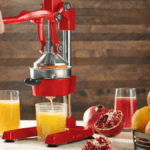
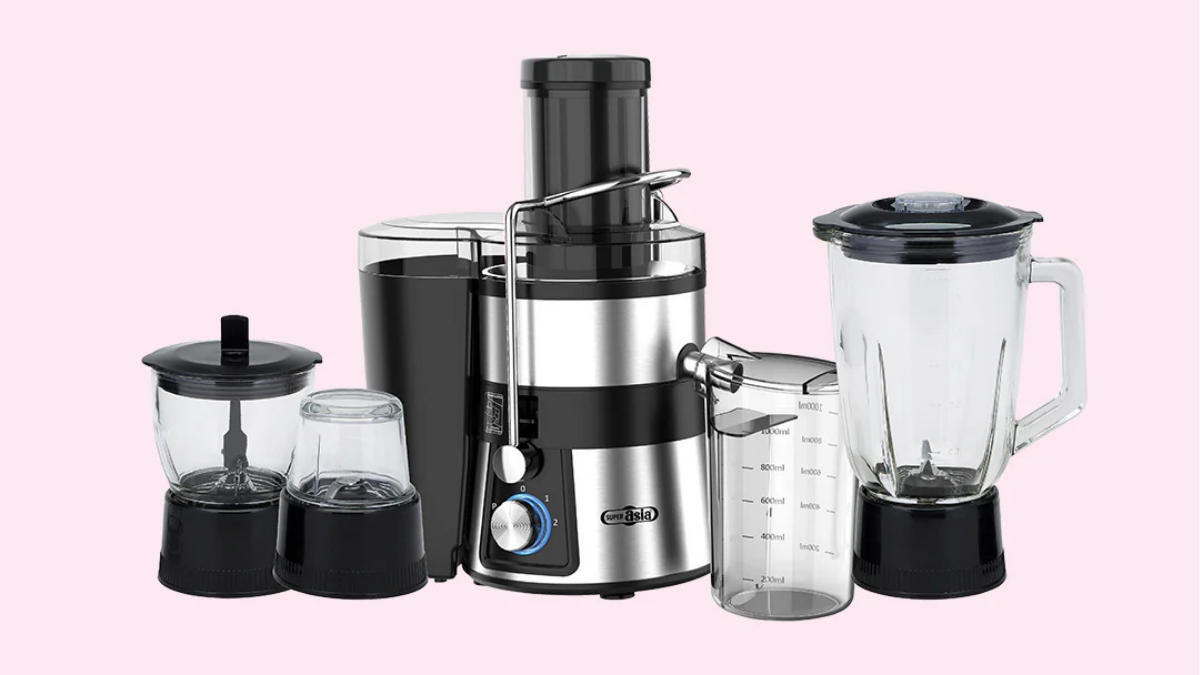
A juicer machine has become one of the most popular kitchen appliances for health-conscious households. From fresh green juices in the morning to nutrient-packed fruit blends after workouts, juicing has evolved into a daily wellness habit for millions of people worldwide.
This comprehensive guide explores everything you need to know about a juicer machine, including how it works, the different types available, key features to consider, and how to choose the right one for your lifestyle. Whether you’re a beginner or upgrading your kitchen setup, this article is designed to be your complete reference.
What Is a Juicer Machine and How It Works
A juicer machine is a kitchen appliance designed to extract liquid from fruits and vegetables while separating pulp and fiber. It allows users to consume concentrated nutrients in a quick and easily digestible form.
Most juicer machines operate using either centrifugal force or slow-press (masticating) technology. These methods determine juice quality, texture, and nutrient retention.
Why Juicing Has Become a Modern Health Trend
Juicing has surged in popularity due to increased awareness of nutrition and preventive health. People are looking for convenient ways to consume vitamins, minerals, and antioxidants.
A juicer machine makes it easier to integrate fruits and vegetables into daily routines, especially for individuals with busy lifestyles who struggle to meet dietary recommendations.
Types of Juicer Machines Explained
Juicer machines come in different types, each designed for specific needs and preferences. Understanding these categories helps users make informed decisions.
The most common types include centrifugal juicers, masticating juicers, citrus juicers, and triturating (twin gear) juicers.
Centrifugal Juicer Machines
Centrifugal juicers are fast and efficient, using high-speed spinning blades to extract juice from produce. They are ideal for users who prioritize speed over maximum nutrient retention.
However, the high-speed process can generate heat, which may slightly reduce enzyme and nutrient quality in the final juice.
Masticating Juicer Machines
Masticating juicers, also known as slow juicers or cold-press machines, crush and press fruits and vegetables slowly. This method preserves more nutrients and produces higher-quality juice.
A juicer machine of this type is often preferred by health enthusiasts due to its efficiency in extracting juice from leafy greens and hard vegetables.
Citrus Juicer Machines
Citrus juicers are specialized appliances designed for oranges, lemons, grapefruits, and similar fruits. They are simple to use and typically compact in design.
While limited in versatility, they are an excellent choice for users who frequently consume fresh citrus juice.
Twin Gear Juicer Machines
Twin gear juicers, or triturating juicers, use two interlocking gears to crush produce thoroughly. They offer maximum juice yield and nutrient retention.
A juicer machine in this category is often considered premium due to its efficiency and ability to handle a wide variety of produce.
Key Features to Look for in a Juicer Machine
When choosing a juicer machine, several features determine performance and usability. Motor power, speed settings, ease of cleaning, and build quality are essential considerations.
Additional features such as noise level, juice yield efficiency, and safety mechanisms also play an important role in long-term satisfaction.
Benefits of Using a Juicer Machine Daily
Regular use of a juicer machine can support improved digestion, increased energy levels, and better hydration. Fresh juice provides a concentrated source of nutrients.
It also encourages healthier eating habits by making fruits and vegetables more accessible and enjoyable.
Nutritional Differences Between Juicing Methods
Different juicing methods affect nutrient retention and juice quality. Cold-press juicers typically preserve more enzymes compared to centrifugal models.
Understanding these differences helps users choose a juicermachine that aligns with their health goals and dietary preferences.
Comparison Table of Juicer Machine Types
| Type | Speed | Nutrient Retention | Juice Yield | Best For | Cleaning Ease |
|---|---|---|---|---|---|
| Centrifugal | Fast | Moderate | Medium | Beginners, quick use | Easy |
| Masticating | Slow | High | High | Health-focused users | Moderate |
| Citrus | Very fast | High | High (citrus only) | Citrus lovers | Very easy |
| Twin Gear | Very slow | Very high | Very high | Advanced users | Complex |
This comparison highlights how different juicermachine types serve different lifestyles and nutritional goals.
How to Choose the Right Juicer Machine
Choosing the right juicer machine depends on your lifestyle, budget, and health priorities. Frequent users may prefer masticating or twin gear models.
Occasional users may find centrifugal juicers more practical due to their speed and affordability.
Common Mistakes When Buying a Juicer Machine
Many buyers focus only on price and overlook long-term usability factors such as cleaning difficulty and juice quality. This often leads to dissatisfaction.
Another common mistake is choosing the wrong type of juicer machine for intended use, such as using a citrus juicer for vegetables.
Maintenance and Cleaning Tips
Proper maintenance extends the life of a juicer machine and ensures consistent performance. Regular cleaning prevents buildup and preserves hygiene.
Most modern juicer machines come with detachable parts that simplify the cleaning process significantly.
Real-World Use Case: A Busy Professional
Consider a working professional who starts their day with a quick green juice. A centrifugal juicer machine offers speed, making it ideal for rushed mornings.
Over time, they may switch to a masticating juicermachine to improve nutrient intake and long-term health benefits.
Cost vs Value Analysis
Juicermachines vary widely in price depending on type and features. Entry-level models are affordable but may compromise on durability.
Higher-end juicermachine models offer better efficiency, longevity, and juice quality, making them more cost-effective over time.
Energy Efficiency and Performance
Energy-efficient juicer achines consume less electricity while maintaining strong performance. This is especially important for daily users.
Modern designs optimize motor efficiency to balance power consumption with juice extraction quality.
Noise Levels and Kitchen Comfort
Noise can be a significant factor for many users, especially in small homes or shared spaces. Centrifugal juicermachines tend to be louder than slow juicers.
Masticating juicermachines operate more quietly, making them suitable for early morning use.
Storage and Kitchen Space Considerations
Compact design is important for kitchens with limited space. Some juicermachines are designed for vertical storage and easy assembly.
Users should consider countertop space and storage convenience before purchasing a juicemachine.
Safety Features in Modern Juicers
Modern juicermachines include safety locks, overload protection, and non-slip bases. These features reduce the risk of accidents during operation.
Such enhancements make juicing safer and more reliable, especially in family households.
Misconceptions About Juicing
One common misconception is that juicing replaces whole fruits and vegetables entirely. In reality, juicing complements a balanced diet rather than replacing it.
Another misconception is that all juicermachine types produce the same nutritional quality, which is not accurate.
Expert Insight on Juicing
“Juicing is most effective when it supports, not replaces, whole-food nutrition habits.”
This perspective highlights the importance of using a juicermachine as part of a balanced dietary approach.
Environmental Impact and Sustainability
Juicing can generate organic waste from pulp, but this byproduct can often be reused in cooking or composting.
Choosing an energy-efficient juicermachine also reduces environmental impact over time.
Future Trends in Juicer Machine Technology
Future juicer machines are expected to include smart sensors, app integration, and improved nutrient tracking features.
These innovations will make juicing more personalized and data-driven for health-conscious users.
Conclusion
A juicermachine is more than just a kitchen appliance—it is a gateway to healthier living, improved nutrition, and convenient wellness habits. By understanding the different types, features, and benefits, users can make informed choices that align with their lifestyle.
Whether you prioritize speed, nutrition, or versatility, the right juicermachine can significantly enhance your daily health routine and long-term dietary habits.
FAQ Section
What is the best type of juicer machine for beginners?
A juicermachine like a centrifugal model is ideal for beginners due to its speed, simplicity, and affordability.
Are juicer machines worth buying for daily use?
Yes, a juicermachine is highly beneficial for daily use if you want fresh, nutrient-rich juice at home.
Which juicer machine preserves the most nutrients?
A masticating juicermachine preserves the most nutrients because it operates at low speed and reduces heat exposure.
Can a juicer machine handle leafy greens?
Yes, especially masticating juicermachines, which are highly effective for leafy greens like spinach and kale.
How often should I clean my juicer machine?
A juicemachine should be cleaned after every use to maintain hygiene, performance, and longevity.