A cast iron juicer is more than a kitchen tool—it’s a piece of mechanical heritage that continues to deliver unmatched durability, pressing power, and reliability in juice extraction. Long before electric juicers became common, cast iron models defined how fruits were pressed, squeezed, and transformed into fresh juice.
Today, interest in manual juicing has surged again, driven by health-conscious living, sustainable kitchen practices, and appreciation for long-lasting equipment. This guide explores everything you need to know about the cast iron juicer, from how it works to how it compares with modern alternatives, helping you make informed, practical decisions.
Understanding the Cast Iron Juicer and How It Works
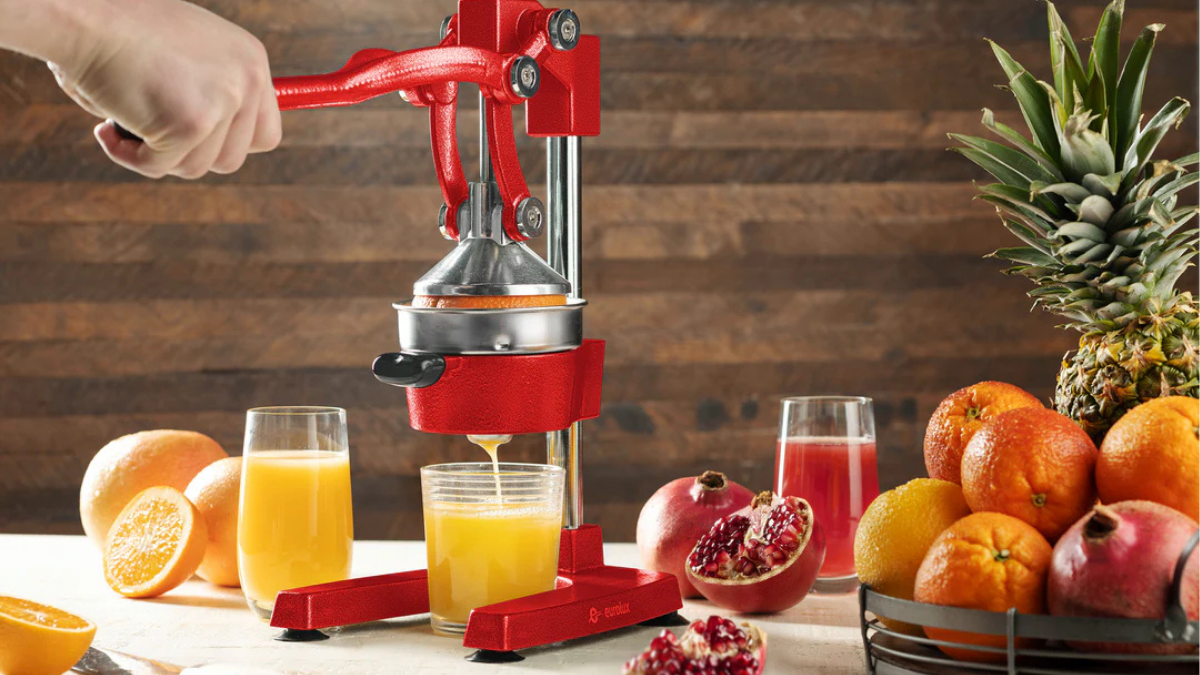
A cast iron juicer is a manually operated device designed to extract juice from fruits such as oranges, lemons, apples, and even pomegranates using mechanical pressure. Its heavy-duty frame and lever system allow users to apply significant force with minimal effort.
The core principle is simple: pressure extraction. The fruit is placed under a pressing cone or plate, and when the lever is pulled, juice is forced out while pulp and seeds remain separated.
Historical Background and Evolution of Juicing Tools
The cast iron juicer traces its roots back to early industrial kitchen tools used in homes and commercial kitchens. Before electricity, mechanical leverage was the most efficient way to extract liquids from produce.
Over time, these juicers evolved from simple screw presses to more refined lever systems. Despite technological advances, the cast iron juicer remains popular due to its reliability and long lifespan.
Key Design Features of a Cast Iron Juicer
One defining feature of a cast iron juicer is its heavy, stable base. This weight ensures the device remains secure during operation, even when high pressure is applied.
Another key feature is the lever mechanism, which multiplies force. This allows users to extract maximum juice without excessive physical strain.
Materials and Build Quality Considerations
Cast iron is known for its exceptional strength and durability, making it ideal for repeated high-pressure use. A well-made cast iron juicer can last decades with proper care.
Many models also include enamel or food-grade coatings to prevent rust and ensure safe contact with acidic fruits. This combination of strength and protection is what sets these tools apart.
Types of Cast Iron Juicers Available Today
There are several variations of the cast iron juicer, including tabletop presses, lever-arm citrus juicers, and commercial-grade fruit presses. Each type serves a slightly different purpose depending on volume and fruit type.
Tabletop models are ideal for home use, while larger press-style juicers are often used in juice bars, farms, and small food production settings.
How a Cast Iron Juicer Compares to Modern Electric Juicers
A cast iron juicer offers a completely different experience compared to electric models. While electric juicers rely on speed and automation, cast iron models focus on pressure and manual control.
Electric juicers are faster but often generate heat that can slightly alter juice quality. In contrast, cast iron juicers preserve natural flavor and nutrients through cold-press extraction.
Efficiency and Juice Yield Comparison Table
Below is a structured comparison of cast iron juicers versus electric juicers to highlight performance differences:
| Feature | Cast Iron Juicer | Electric Juicer |
|---|---|---|
| Juice Quality | High, cold-pressed | Moderate, heat-sensitive |
| Speed | Slower | Fast |
| Durability | Extremely high | Moderate |
| Maintenance | Low | Medium |
| Noise Level | Silent | Noisy |
| Power Requirement | None | Required |
| Portability | High | Limited |
| Cost Over Time | Low | Higher due to repairs |
This comparison shows why many users still prefer a cast iron juicer for long-term use.
Benefits of Using a Cast Iron Juicer
One major benefit of a cast iron juicer is its durability. Unlike plastic or electric models, it is built to withstand heavy use without degradation.
Another advantage is juice purity. The slow pressing method ensures minimal oxidation, resulting in richer flavor and better nutrient retention.
Common Fruits Used with Cast Iron Juicers
A cast iron juicer is versatile and can handle a wide range of fruits. Citrus fruits such as oranges, lemons, and grapefruits are the most commonly used.
It can also be used for softer fruits like pomegranates and even apples when cut into smaller pieces. The pressure-based system adapts well to different textures.
Proper Usage Techniques for Best Results
Using a cast ironjuicer effectively requires proper preparation. Fruits should be washed, cut appropriately, and positioned correctly under the pressing plate.
Applying steady, controlled pressure is key. Rapid or uneven force can reduce juice yield and strain the mechanism over time.
Maintenance and Cleaning Best Practices
Regular maintenance ensures the longevity of a cast ironjuicer. After each use, it should be cleaned thoroughly to remove juice residue and prevent corrosion.
Drying the device completely is essential, especially for uncoated cast iron models. Light oiling of moving parts can also help maintain smooth operation.
Common Problems and How to Fix Them
One common issue with a cast ironjuicer is rust formation due to moisture exposure. This can be prevented by proper drying and occasional seasoning.
Another issue is lever stiffness, which may occur due to lack of lubrication. Applying food-safe oil to joints typically resolves this problem.
Misconceptions About Cast Iron Juicers
A frequent misconception is that a cast ironjuicer is outdated or inefficient. In reality, it remains one of the most effective manual extraction tools available.
Another misconception is that it is difficult to use. While it requires physical effort, the lever design significantly reduces the force needed.
Best Practices for Long-Term Durability
To maximize lifespan, a cast ironjuicer should be stored in a dry environment and cleaned immediately after use. Avoid leaving acidic juice on the surface for extended periods.
Routine inspection of screws, joints, and coatings helps identify wear early, ensuring consistent performance.
Practical Use Case: Home vs Commercial Settings
In a home kitchen, a cast ironjuicer is ideal for daily fresh juice preparation without relying on electricity. It offers control, simplicity, and reliability.
In commercial environments, it is valued for its ability to handle high volumes with minimal breakdown risk, making it a cost-effective long-term investment.
The Role of Cast Iron Juicers in Sustainable Living
Sustainability is a key reason for renewed interest in the cast ironjuicer. Its manual operation eliminates energy consumption entirely.
Additionally, its long lifespan reduces waste, aligning with eco-conscious kitchen practices and zero-waste lifestyles.
A Practical Insight from Kitchen Experts
“Manual pressing tools often outlast electric appliances by decades because there are fewer points of failure.”
This insight highlights why many chefs and homesteaders continue to rely on traditional juicing tools like the cast ironjuicer.
Maintenance Frequency and Care Schedule
A consistent care routine keeps a cast ironjuicer in optimal condition. Light cleaning after each use and deeper maintenance every few weeks is recommended.
Periodic lubrication and inspection ensure smooth operation and prevent long-term wear.
Storage Tips for Longevity
Proper storage is essential for preserving a cast ironjuicer. Keeping it in a dry, ventilated space prevents rust and material degradation.
Covering it when not in use also helps protect it from dust and environmental moisture.
Cost Analysis and Long-Term Value
While the upfront cost of a cast iron juicer may be higher than plastic alternatives, its long-term value is significantly greater due to durability.
Over time, users save money on replacements and repairs, making it a cost-efficient investment.
Environmental Impact and Eco Benefits
The cast ironjuicer contributes positively to environmental sustainability by reducing electricity use and minimizing plastic waste.
Its durability also means fewer discarded appliances, lowering overall environmental footprint.
Future Trends in Manual Juicing Tools
Despite technological advancements, manual tools like the cast iron juicer are experiencing renewed popularity. Consumers are increasingly valuing simplicity and control.
Future designs may integrate improved ergonomics and hybrid materials while retaining traditional pressing mechanisms.
Conclusion
The cast iron juicer remains a timeless kitchen tool that blends durability, efficiency, and simplicity. Its ability to produce high-quality juice without electricity makes it both practical and sustainable.
Whether used in a home kitchen or commercial setting, this tool continues to prove its value through reliability and performance. As interest in traditional food preparation methods grows, the cast iron juicer stands out as a dependable and enduring choice.
FAQ
What is a cast iron juicer used for?
A cast ironjuicer is used for extracting juice from fruits using manual pressure, delivering high-quality, fresh juice.
Is a cast iron juicer better than an electric juicer?
A cast iron juicer offers better durability and juice quality, while electric juicers are faster but less durable.
How do you clean a cast iron juicer?
A cast iron juicer should be cleaned with warm water, dried thoroughly, and lightly oiled to prevent rust.
Can a cast iron juicer handle all fruits?
A cast iron juicer works best with citrus fruits but can also handle soft fruits like pomegranates and apples.
Why choose a cast iron juicer for home use?
A cast iron juicer is ideal for home use because it is durable, eco-friendly, and produces high-quality juice without electricity.