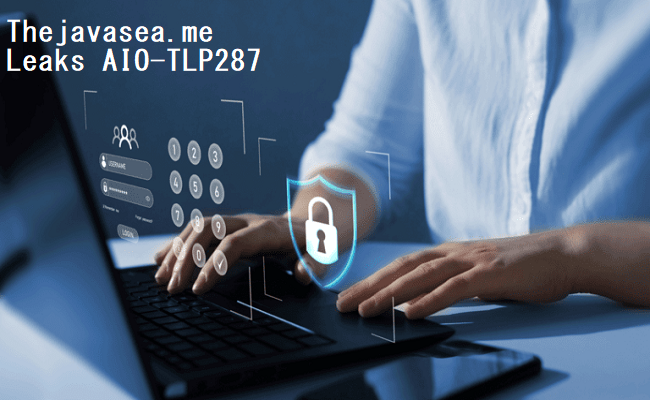
The digital landscape is filled with hidden dangers, and searches for thejavasea.me leaks aio-tlp370 have been rising steadily as more people become aware of potential data exposures. This particular leak has caught the attention of both cybersecurity enthusiasts and everyday users who want to understand if their personal information is at risk. In this detailed exploration, we will break down everything you need to know about thejavasea.me leaks aio-tlp370, from its origins to the real-world implications and most importantly, how you can strengthen your defenses moving forward.
Data leaks like this one represent a growing challenge in our increasingly online world. They serve as powerful reminders that even seemingly secure systems can be compromised, with information ending up in unexpected places. Whether you stumbled upon this term while researching privacy concerns or received an alert about possible exposure, understanding the full picture is essential.
Understanding the Origins and Nature of the Leak
Thejavasea.me has gained recognition as a repository where various data compilations are shared, often in large all-in-one packages. The AIO-TLP370 specifically stands out as one of these comprehensive collections. It aggregates materials that may include credentials, configuration files, logs, and other elements from multiple sources.
What makes thejavasea.me leaks aio-tlp370 noteworthy is not necessarily a single massive hack but rather how existing breached data gets repackaged and redistributed. These types of compilations make it easier for information to circulate across different corners of the internet. The “AIO” designation indicates an all-in-one approach, bundling different categories of data together for broader accessibility.
This leak fits into a pattern seen across many similar incidents where data moves from initial breaches into secondary distribution channels. Researchers monitoring these platforms note that such packages often resurface periodically, gaining renewed attention when mentioned in forums or security discussions.
The spread of thejavasea.me leaks aio-tlp370 highlights how quickly information travels once it leaves controlled environments. Even if the original breach occurred months or years earlier, the organized packaging keeps it relevant and potentially harmful.
Why These Types of Leaks Continue to Surface
Modern data leaks rarely happen in isolation. They often result from a combination of technical vulnerabilities, human oversight, and sophisticated attack methods. In the case of compilations like thejavasea.me leaks aio-tlp370, the focus is on aggregation rather than a fresh compromise of a major corporation.
Attackers and data collectors frequently target smaller or mid-sized services where security standards might be less rigorous. Once enough individual datasets accumulate, they get combined into attractive all-in-one packages. This approach maximizes the value for anyone seeking to exploit the information.
Several factors contribute to this trend. First, the sheer volume of data generated daily creates more opportunities for exposure. Second, many users and organizations still rely on outdated security practices. Third, the underground economy rewards those who can deliver organized, ready-to-use leak packages.
For the average person, thejavasea.me leaks aio-tlp370 represents more than just technical details. It symbolizes the very real possibility that email addresses, passwords, or other personal details could be floating around in accessible archives.
The Real-World Impact on Individuals and Businesses
When sensitive information appears in leaks, the consequences can range from minor inconveniences to serious identity theft. Individuals might experience unauthorized login attempts, phishing emails tailored with personal details, or even financial fraud if payment information was included.
Businesses face even steeper challenges. Exposed customer records can lead to legal liabilities, loss of trust, and significant remediation costs. Internal configuration data in such packages could reveal system weaknesses, potentially opening doors to more targeted attacks.
The psychological impact should not be overlooked either. Discovering that your information might be part of thejavasea.me leaks aio-tlp370 can create anxiety and uncertainty about which accounts need immediate attention. This emotional toll adds another layer to the overall damage caused by data leaks.
Many experts emphasize that while not every leaked record leads to immediate harm, the availability of such data increases the overall risk surface for everyone online. It creates an environment where opportunistic criminals can strike with greater precision.
Practical Steps to Verify and Protect Your Information
Taking action after learning about potential exposure is crucial. Start by checking well-known breach monitoring services that scan public datasets. These platforms allow you to enter your email and quickly see if it appears in known leaks without visiting risky websites.
If you find connections to thejavasea.me leaks aio-tlp370 or similar incidents, prioritize changing passwords for affected accounts. Use strong, unique combinations and consider a password manager to handle this efficiently across all your services.
Enabling two-factor or multi-factor authentication adds a vital security layer that many attackers cannot easily bypass. Where possible, choose app-based authenticators over text messages for better protection.
Regular security audits of your digital life can prevent small issues from becoming major problems. Review app permissions, close unused accounts, and monitor financial statements for suspicious activity. These habits become especially important when high-profile leaks make headlines.
For organizations, response should be more structured. This includes notifying users when required, conducting internal investigations, and updating security protocols to prevent future incidents.
Building Long-Term Digital Resilience
Protection against leaks like thejavasea.me leaks aio-tlp370 goes beyond immediate reactions. It requires developing sustainable security habits that reduce overall vulnerability.
Education plays a central role here. Understanding common attack vectors helps users recognize phishing attempts and suspicious requests. Simple awareness can block many threats before they cause damage.
Technology also provides valuable tools. Antivirus software with real-time protection, virtual private networks for public connections, and privacy-focused browsers can significantly strengthen your setup. Keeping all devices and applications updated ensures you benefit from the latest security patches.
Community support networks and professional resources offer additional guidance. Following reputable cybersecurity blogs and official advisories helps you stay informed about emerging threats without getting overwhelmed by misinformation.
The goal is creating multiple layers of protection so that even if one element fails, others remain intact. This defense-in-depth approach has proven effective against evolving risks.
Comparing This Leak with Other Major Incidents
While thejavasea.me leaks aio-tlp370 has its unique characteristics, it shares similarities with other well-known breaches. The main difference often lies in the packaging and distribution method rather than the initial compromise.
Some leaks focus on specific industries like finance or healthcare, while others cast a wider net. Aggregated packages tend to have longer lifespans because they combine data from multiple events, making them more versatile for malicious use.
Learning from these comparisons helps identify patterns and predict where future risks might emerge. Industries with high user volumes or valuable data consistently appear more frequently in such compilations.
This broader perspective reinforces why individual vigilance matters. Even if you were not directly targeted in one incident, the interconnected nature of online services means effects can ripple outward unexpectedly.
Looking Ahead: The Future of Data Security
As technology advances, so do the methods used to protect and exploit data. Artificial intelligence is being deployed both to detect threats faster and, unfortunately, to craft more convincing attacks.
Emerging standards around privacy by design and stricter regulations may help reduce the frequency of large-scale leaks. However, complete elimination remains unlikely in the near term. This reality makes personal responsibility and proactive measures more important than ever.
The discussion around thejavasea.me leaks aio-tlp370 contributes to greater public awareness. More informed users tend to demand better security from the services they use, creating positive pressure for industry-wide improvements.
Ultimately, staying safe online is a continuous journey rather than a destination. Regular review of your practices and willingness to adapt to new information will serve you well.
Taking Control of Your Digital Safety
Understanding incidents like thejavasea.me leaks aio-tlp370 empowers you to make smarter decisions about your online presence. While you cannot control every aspect of data security, you can significantly influence your personal risk level through informed actions.
By implementing strong habits today, you reduce the chances of becoming a victim tomorrow. The knowledge gained from studying these leaks transforms potential fear into practical preparation.
Remember that security is a shared responsibility. Individual efforts combine with industry standards and regulatory frameworks to create a more resilient digital environment for everyone.
FAQ
What does thejavasea.me leaks aio-tlp370 contain? It typically includes compiled datasets from various sources, such as user credentials, technical configurations, and other information packaged together for distribution. The exact contents can vary but often focus on making data easily accessible.
Should I be worried if my email appears in this leak? Any appearance in a leak warrants attention. Change your passwords immediately, enable multi-factor authentication, and monitor accounts closely for suspicious activity to minimize potential damage.
Can visiting thejavasea.me directly harm my device? It is generally advised against. Such sites may host malicious files or trackers. Use trusted security tools and breach checkers instead of exploring leak repositories yourself.
How long do effects from these leaks usually last? The information can circulate for years. This is why ongoing monitoring and regular password updates are important even after the initial discovery of a leak.
What is the best way to prevent future data leaks from affecting me? Use unique passwords for every account, enable strong authentication methods, limit personal data sharing, and stay informed through reputable security sources. These combined practices offer the strongest protection.
back to home